
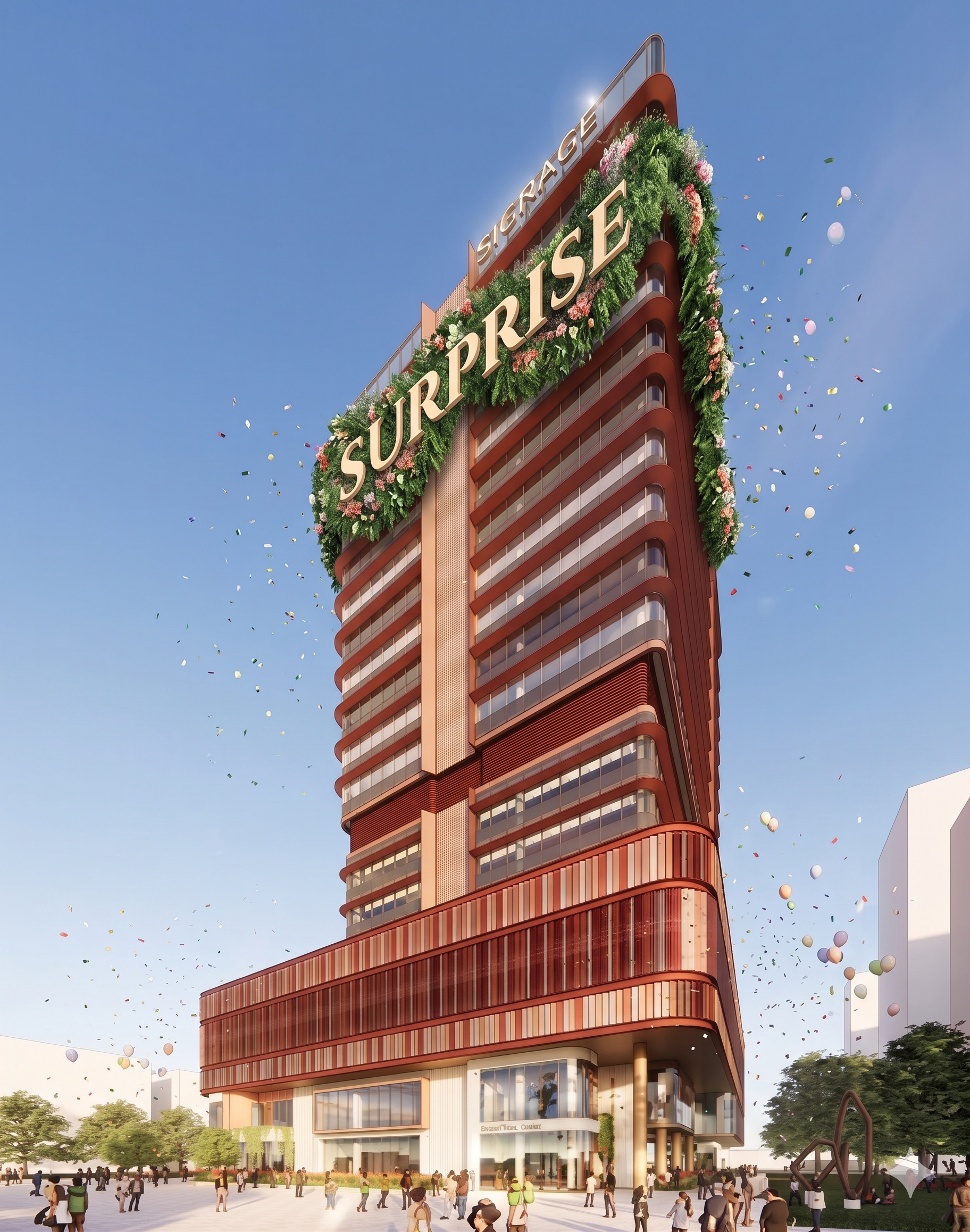
The Day the Goalposts Vanished: Darwin’s $157 Million Surprise
The “Quiet” Plan
For years, the conversation surrounding the new Darwin Civic Centre was manageable. It was discussed as a $30 million essential upgrade—a functional project to house city services. Ratepayers understood the scope, and the community felt they had a handle on the vision.
The Timeline of the Pivot
To understand the transparency gap, we have to look at how quickly the “vision” shifted away from public oversight:
- 2022: Community consultation is held for a modest, $30 million functional civic building.
- Early 2024: Internal discussions must have begun regarding “hybrid” models and increased scale, possibly behind closed doors.
- November 12, 2024: The public and many stakeholders still believe the $30 million plan is the baseline.
- November 13, 2024: In a single meeting, the vision is fundamentally rewritten. The “Civic Centre” evolves into a $157 million, 21-storey hybrid tower.
In the space of 24 hours, the project’s cost quintupled. For the people of Chan Ward and the wider Darwin, it was the day the goalposts didn’t just move—they were taken off the field entirely.
A Breakdown of the Transparency Gap
When a project scales by $127 million overnight, the primary concern isn’t just the architecture; it’s the process. We are facing three distinct failures in governance:
- The Consultation Ghost: Council continues to cite 2022 feedback. However, those residents were commenting on a modest office, not a skyscraper. Using old data to justify an unrecognizable plan is a “box-ticking” exercise, not genuine engagement.
- The Financial Fog: Moving to $157 million creates a massive fiscal shadow. We need to see the “fine print” on how this debt will be serviced and the impact on long-term rate stability.
- Public Land, Private Interests: When public assets are used for “hybrid” commercial developments, the public deserves to know who the beneficiaries are before the contracts are inked.
One Step at a Time: A “Transparency First” Policy
What does accountability look like in practice? If elected, I will advocate for a phased approach to major project approvals:
- Step 1: The “Trigger” Rule: Any project that increases in budget by more than 20% or changes in height by more than 3 storeys must automatically trigger a new, mandatory public comment period.
- Step 2: Line-Item Disclosure: Before a final vote, a simplified “Ratepayer Impact Statement” must be published, showing exactly how much of the debt is being carried by residential rates vs. commercial partners.
- Step 3: Open-Door Hearings: For projects exceeding multi million dollars, Council should hold “Deliberative Forums” where technical experts and community members can ask questions of the developers in an open setting—not just behind a “Confidential” agenda item.
Why Technical Scrutiny Matters
Analyzing these shifts requires more than just an opinion—it requires a background in technical oversight. I have a history of reading beuracratic publishings.
Whether it’s protecting the heritage of the Esplanade or questioning the environmental impact of development at Lee Point, the goal remains the same: Verify the data.
Bringing Accountability Back to the Chamber
I stepped forward as a community candidate for Chan Ward because local Council must work for the people who pay the rates. The $157 million question isn’t just about a building—it’s a fundamental question of whether the community still has a seat at the table.
#DarwinCityCouncil #PlanningTransparency #NicholasKirlew #CommunityAdvocacy